Blog
Mexico is one of the most rewarding countries a traveler can explore, yet it is also one of the most misunderstood. Many first-time visitors arrive expecting a single experience, only to discover a country of contrasts: colonial cities that feel frozen in time, Caribbean and Pacific coastlines, deserts, jungles, mountains, and one of the richest cuisines in the world. This page brings together the essential knowledge you need before planning a trip, whether you are dreaming of a beach escape, a cultural itinerary, or an adventure off the beaten path.
Why Mexico Appeals to So Many Travelers
Mexico consistently ranks among the most visited countries in the world, and the reasons go far beyond its beaches. The country offers an unusual combination of accessibility and depth. Direct flights connect major cities across North America and Europe to hubs like Mexico City, Cancún, and Guadalajara, making entry simple. Once there, travelers find a culture that is genuinely alive: markets, festivals, family-run restaurants, and neighborhood traditions that exist for locals first, not for tourists.
Cost is another major factor. While prices have risen in popular areas, Mexico still offers excellent value compared with many other destinations, particularly for food, lodging, and local transportation. A traveler can eat very well for a few dollars at a street stall and stay in comfortable, characterful accommodation without a luxury budget.
Understanding Mexico’s Main Regions
Thinking of Mexico as one destination is the most common planning mistake. The country is vast, and regions differ dramatically in landscape, climate, and atmosphere.
- The Yucatán Peninsula: home to Cancún, Tulum, Mérida, and archaeological sites like Chichén Itzá. Expect Caribbean beaches, cenotes, and a strong Mayan heritage.
- Central Mexico: the heart of the country, including Mexico City, Puebla, Guanajuato, and San Miguel de Allende. This is where colonial architecture, museums, and culinary traditions concentrate.
- Oaxaca: a cultural powerhouse famous for its food, mezcal, indigenous cultures, and artisan crafts.
- The Pacific coast: Puerto Vallarta, Sayulita, and smaller surf towns, with a more laid-back rhythm and beautiful sunsets.
- The north and Baja California: deserts, wine country in the Guadalupe Valley, and dramatic landscapes around Copper Canyon.
A useful analogy: choosing Mexico is like choosing Europe. Deciding between a trip centered on the Yucatán and one centered on the capital is closer to choosing between Greece and Italy than between two cities in the same country.
Planning Your First Trip: A Simple Framework
First-time visitors often overplan. A calmer approach produces better trips. A practical sequence looks like this:
- Choose one or two regions rather than trying to see the whole country. Distances are large, and internal travel takes time.
- Match your region to the season. The dry season generally offers the most reliable weather, while the coast can be hot and humid at other times of year.
- Balance city and nature. Pairing Mexico City with a few days in a smaller town or on the coast creates a more complete picture of the country.
- Leave room for spontaneity. Some of the best experiences, like a recommendation from a local or a detour to a small pueblo, cannot be scheduled.
Consider a fictional example: a couple with ten vacation days splits them between Mexico City and Oaxaca. They spend five days exploring museums, markets, and neighborhoods in the capital, then take a short flight to Oaxaca for food, textiles, and nearby archaeological sites. No rushed transfers, no exhausting itinerary, and a genuinely varied experience.
Safety: Separating Perception from Reality
Safety is the most frequent concern among travelers considering Mexico, and it deserves an honest, nuanced answer. Mexico is a large country, and conditions vary enormously from one state to another and even from one neighborhood to another. Millions of visitors travel safely every year, particularly in well-touristed areas.
The most useful mindset is to treat Mexico like any large destination: stay informed through official travel advisories, exercise ordinary urban caution, and avoid unnecessary risk. Practical habits that serve travelers well include:
- Using authorized transportation such as registered taxis or ride-hailing apps, especially at night.
- Keeping valuables discreet and avoiding displaying expensive electronics in crowded areas.
- Carrying copies of important documents and using hotel safes when available.
- Asking your hosts or hotel about areas to avoid, since local advice is often more current than anything online.
It is equally important not to let exaggerated fears empty your trip of meaning. Chatting with market vendors, joining a local cooking class, or riding a regional bus are normal, rewarding activities for travelers who use common sense.
Food: The Heart of the Mexican Experience
It is impossible to understand Mexico without eating through it. Mexican cuisine is recognized by UNESCO as an intangible cultural heritage, and the everyday food you find on the street is often as remarkable as restaurant dining.
Common questions from newcomers include whether street food is safe and how spicy everything is. On the first point, stalls with a constant flow of local customers are generally a reliable sign of quality and turnover. On the second, spice is usually served on the side in the form of salsas, so you control the heat. Start with a few drops and build up.
- Tacos: far more than the export version; try al pastor, barbacoa, or regional specialties.
- Mole: a complex sauce with dozens of ingredients, emblematic of Oaxaca and Puebla.
- Tamales: steamed corn dough with fillings, a breakfast staple across the country.
- Regional dishes: cochinita pibil in the Yucatán, birria in Jalisco, tlayudas in Oaxaca.
For travelers with sensitive stomachs, a gradual approach works well: begin with cooked dishes, drink bottled or filtered water, and let your system adjust before diving into everything at once.
Getting Around the Country
Mexico has a transportation network that suits different budgets and travel styles. Understanding the options early makes planning much easier.
- Domestic flights are affordable and save significant time between distant regions.
- Luxury and first-class buses are comfortable, inexpensive, and connect most cities reliably, often with reclining seats and onboard service.
- Ride-hailing apps are widely used in major cities and simplify short-distance travel.
- Colectivos and local buses serve smaller routes and offer an authentic, economical way to move between nearby towns.
Renting a car makes sense for regions like Baja California or rural Oaxaca, where public transport is sparse. In dense cities, however, traffic and parking make driving more of a burden than a benefit.
Culture and Etiquette: Small Gestures That Matter
Mexicans are famously warm hosts, and a few simple habits go a long way. Greetings matter: a good morning or good afternoon before asking a question is expected, not optional. Politeness formulas are woven into daily interaction, and skipping them can read as rude even when unintentional.
Other useful points include patience with time, since schedules are more flexible than in some cultures, and genuine interest in local traditions. If your visit coincides with celebrations such as Day of the Dead or local patron-saint festivals, participating respectfully, rather than merely photographing, transforms the experience for both visitor and host.
Practical Essentials Before You Go
A short checklist covers most practical needs:
- Verify entry requirements and passport validity according to current regulations.
- Arrange travel insurance that covers medical care, which is inexpensive relative to the protection it provides.
- Notify your bank of travel and carry a mix of cash and cards, since smaller establishments may not accept cards.
- Download offline maps and a translation tool; while English is common in tourist zones, basic Spanish phrases open doors everywhere.
- Pack for variety, since altitude, coast, and desert can produce very different conditions within one itinerary.
Final Thoughts
Mexico rewards travelers who arrive with curiosity rather than a checklist. Choose a region that matches your interests, slow down enough to let the country reveal itself, eat bravely but sensibly, and treat safety as a matter of informed habits rather than anxiety. Do this, and Mexico tends to do what it does to so many visitors: become not a one-time destination, but the first of many returns. The articles in this category go deeper into each of these themes, region by region, to help you plan with confidence.
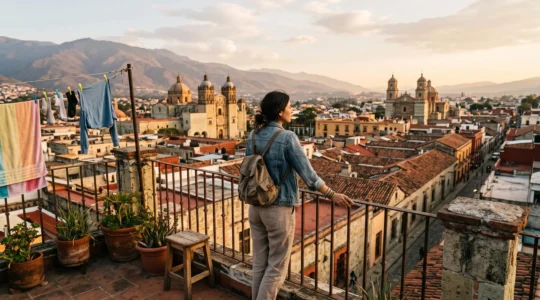
Why Mexico Feels Like 6 Different Countries When You Travel Beyond the Resorts
Mexico can feel like several countries within one set of borders. Spend a week around Cancún, then travel to Oaxaca, Mexico City or the northern desert, and almost everything changes: the climate, landscapes, food, architecture, transport and pace of everyday…
Lire la suite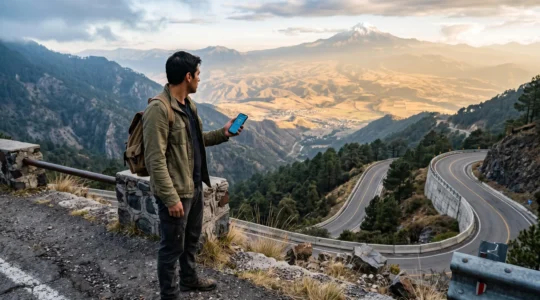
Why Your Mexico Weather App Lies Once You Move 30 Miles Inland
Your Mexico weather forecast says 28°C and sunshine. You pack shorts, sandals and a couple of T-shirts. Then your journey takes you inland, the road starts climbing, and suddenly you are looking for a jacket you never brought. The forecast…
Lire la suite