Festivals and Events
Mexico is one of the most festive countries in the world. Throughout the year, cities, towns and villages come alive with processions, music, fireworks, food and deeply rooted traditions that blend Indigenous heritage with Spanish colonial influence. For travelers, understanding the country’s festival calendar is not just a cultural bonus: it directly shapes when to go, where to stay and what kind of experience you will have. A quiet colonial town in January can become an unrecognizable sea of pilgrims in December.
This page introduces the main festivals and events in Mexico, explains how they work and offers practical guidance so you can decide whether to plan your trip around a celebration or to avoid one. Whether you dream of watching mariachi bands fill a plaza at midnight or prefer to explore ruins in complete calm, timing is everything.
Why Festivals Matter When Planning a Trip to Mexico
Festivals in Mexico are not performances organized for tourists. They are living traditions, often religious in origin, in which entire communities participate. This authenticity is precisely what makes them so memorable, but it also means that travel conditions change dramatically around major dates. Hotels fill up months in advance, transportation becomes crowded and prices rise sharply.
At the same time, joining a festival can become the heart of a trip. Travelers who have attended a celebration in Oaxaca, Guadalajara or a small pueblo often describe it as the defining moment of their stay. The key is to understand what each type of event involves before booking.
- Cultural immersion: festivals reveal local identity in a way museums cannot.
- Atmosphere: streets, squares and markets take on a completely different energy.
- Constraints: expect higher prices, fuller hotels and closed businesses on major dates.
- Safety considerations: large crowds require the same precautions as any big public gathering.
The Major National Celebrations
Some celebrations are observed across the whole country and structure the Mexican calendar. Knowing them helps you anticipate crowds and closures wherever you travel.
Día de los Muertos (Day of the Dead)
Celebrated at the beginning of November, the Day of the Dead is Mexico’s most internationally famous tradition. Far from being a somber occasion, it is a joyful homage to departed loved ones. Families build altars decorated with marigolds, candles, photographs and favorite foods of the deceased, and cemeteries fill with visitors who spend the night in quiet celebration.
The most renowned destinations include Oaxaca, Michoacán’s Lake Pátzcuaro region and Mexico City, which hosts a grand parade in the capital. Accommodation in these places should be reserved well ahead of time, sometimes several months in advance.
Las Posadas and the Christmas Season
From mid-December through early January, Mexico celebrates one of the longest festive periods of the year. Las Posadas reenact Mary and Joseph’s search for shelter through nine evenings of processions, songs and piñatas. The season continues with Nochebuena on Christmas Eve, New Year celebrations and Three Kings Day in early January, when families share the traditional rosca bread.
For travelers, this means two things: villages and cities are wonderfully animated, but it is also peak domestic travel season, with Mexican families on vacation and beaches at their busiest.
Semana Santa (Easter Week)
Holy Week is one of the most important religious periods in the Mexican calendar. Processions and reenactments of the Passion take place across the country, with particularly striking ceremonies in Ixtapalapa in Mexico City, Taxco and San Miguel de Allende. Schools close for two weeks, making it a major travel period for locals as well.
Día de la Independencia (Independence Day)
On the night of September 15, plazas everywhere resound with El Grito, the ceremonial cry of independence delivered from town halls, echoing the call made by Father Miguel Hidalgo in 1810. Mexico City’s Zócalo hosts the largest gathering, but nearly every town has its own ceremony followed by fireworks.
Día de la Virgen de Guadalupe
In mid-December, millions of pilgrims travel to the Basilica of Guadalupe in Mexico City, many arriving on foot after long journeys. Even outside the capital, this date is marked with masses, music and celebrations in honor of Mexico’s patron saint.
Regional and Cultural Festivals Worth Knowing
Beyond national dates, Mexico’s regions host celebrations that showcase their distinct character. These events are often less crowded than the big national holidays and offer a deeper look into local life.
- Guelaguetza (Oaxaca): a major celebration of Indigenous cultures featuring traditional dances, music and regional costumes, held in Oaxaca City during the second half of July.
- Feria de León (Guanajuato): one of the country’s largest fairs, combining concerts, rodeos, amusement rides and cultural exhibitions.
- Festival Internacional Cervantino (Guanajuato): an internationally respected arts festival with theater, dance and music performances held in Guanajuato and nearby towns.
- Carnaval (Veracruz, Mazatlán): Mexico’s take on carnival brings parades, costumes and street parties to these coastal cities in the days before Lent.
- Fiesta de San Marcos (Aguascalientes): a centuries-old fair blending religious tradition, livestock exhibitions and modern entertainment.
- Día de la Candelaria (February 2): marks the end of the Christmas season with tamales and candlelight blessings, especially lively in Mexico City’s neighborhoods.
A useful analogy: think of Mexico’s festival calendar as a layered tapestry. National holidays form the base pattern visible everywhere, while regional festivals add local colors and textures that vary from one state to another. A traveler combining Oaxaca in late July with Mexico City in September would experience two entirely different facets of the country.
Religious Celebrations in Small Towns and Villages
Some of Mexico’s most authentic experiences happen in small communities, where each pueblo honors its patron saint with an annual fiesta patronal. These celebrations typically include church services, brass bands, dances, fireworks and communal meals. As a visitor, you are generally welcomed as an observer, but a few principles of respectful behavior apply.
- Ask before photographing ceremonies, participants or altars.
- Dress modestly when entering churches or joining processions.
- Do not treat rituals as entertainment; observe quietly and follow local cues.
- If invited to share food or a drink, accepting graciously is appreciated.
- Buy from local vendors and artisans when possible; it directly supports the community hosting the event.
Imagine a fictional traveler, Claire, who arrives in a small village in Chiapas on the day of its patron saint. With no plans and no expectations, she finds the square transformed: food stalls, live music and families dressed in traditional textiles. By simply staying curious and respectful, she ends her evening sharing hot chocolate with a local family, an experience no itinerary could have scheduled.
Modern Events: Music, Food and Sports
Mexico’s event calendar is not only traditional. The country now hosts internationally recognized music festivals, major culinary events and high-profile sporting competitions that attract visitors from around the world.
- Music festivals: large-scale events in Mexico City, Monterrey and Cancún bring international and Latin American artists together, typically in spring and autumn.
- Gastronomy events: food and wine festivals in Baja California, Oaxaca and Puebla celebrate regional cuisine and Mexico’s UNESCO-recognized culinary heritage.
- Formula 1 Grand Prix: held in Mexico City, this race transforms the capital into a hub of international visitors and creates strong demand for hotels.
- Film and cultural festivals: cities such as Morelia, Guadalajara and Los Cabos host respected film festivals open to the public.
Practical Tips for Attending a Festival in Mexico
Good preparation turns a potentially overwhelming experience into a smooth one. Here are the essential points to check before and during a festival-focused trip.
- Book early. For major events such as Day of the Dead in Oaxaca or Semana Santa in Taxco, reserve accommodation and transport months ahead.
- Check the exact dates. Some celebrations follow fixed calendar dates while others are tied to the religious calendar and shift each year.
- Plan for closures. Banks, government offices and many shops close on official public holidays, and some restaurants shut down when staff join family celebrations.
- Protect your belongings. Crowded events attract pickpockets; carry only what you need and keep valuables secure.
- Stay hydrated and pace yourself. Festivals often involve long days in the sun, loud music and late nights.
- Learn a few phrases. Simple Spanish greetings open doors and warm up every interaction.
- Have a backup plan. Some events are rescheduled or affected by weather, particularly outdoor parades and concerts.
Should You Plan Your Trip Around a Festival or Avoid It?
There is no single right answer; it depends on the kind of traveler you are.
- Choose to travel during a festival if you seek cultural intensity, memorable atmosphere and do not mind crowds, noise and higher costs.
- Travel outside peak festival periods if you prefer quieter sites, easier reservations and lower prices, or if you are sensitive to noise and large crowds.
- Consider a hybrid approach: base yourself in a calmer town and take day trips to nearby celebrations, combining serenity with festivity.
A balanced itinerary might look like this: several days exploring archaeological sites and museums during a quiet period, followed by a final stop timed to coincide with a local celebration. This way, the festival becomes a highlight rather than a logistical obstacle.
Frequently Asked Questions
Are festivals in Mexico free to attend?
Most street celebrations, processions and plazas events are free. Some festivals, such as the Guelaguetza or the Cervantino, include ticketed performances in addition to free public activities.
Is it safe to attend large celebrations in Mexico?
Millions of people attend Mexican festivals each year without incident. As with any large gathering anywhere in the world, watch your belongings, avoid empty streets late at night and follow the instructions of local authorities.
Do businesses close during festivals?
Official public holidays see banks and government offices close, and some businesses reduce their hours. Restaurants and attractions in tourist areas usually remain open, but it is wise to check locally.
Can families with children enjoy Mexican festivals?
Absolutely. Many celebrations, such as Las Posadas, carnival parades and town fairs, are family-oriented by nature. Day of the Dead altars and markets fascinate children while remaining accessible and welcoming.
Which festival is best for a first trip to Mexico?
Day of the Dead offers the most iconic and accessible introduction to Mexican traditions, particularly in Oaxaca. Travelers who prefer something less crowded might choose a regional fair or a patron saint festival in a smaller town.
Festivals and events are one of Mexico’s greatest gifts to travelers. With a little planning and an open mind, they transform a simple trip into a vivid encounter with a culture that celebrates life, memory and community with unmatched generosity.
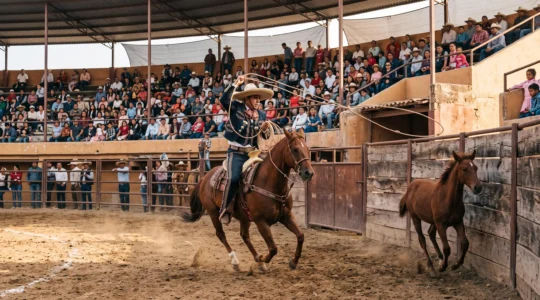
Why Mexican Roping Is Nothing Like American Rodeo and What You’re Actually Watching
A horse slides to a controlled stop, a rope cuts a circle through the air, and an entire section of spectators begins applauding something you barely noticed. If you arrived expecting an American-style rodeo, a Mexican charreada can be wonderfully…
Lire la suite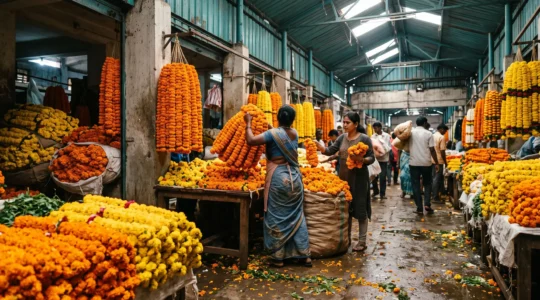
Why Orange Marigolds Cover Mexican Streets in Autumn and What They Actually Symbolise
In late October, Mexico’s streets begin to glow orange. Flower sellers stack enormous bundles of marigolds, market floors disappear beneath scattered petals, and doorways become framed by golden blossoms. For travellers arriving from the UK, the spectacle is immediately striking….
Lire la suite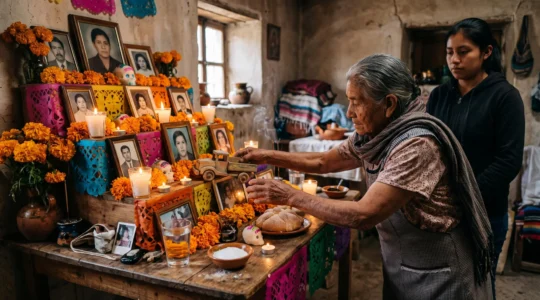
Why Touching or Photographing a Mexican Commemorative Altar Can Be More Invasive Than You Think
A photograph of a grandmother rests beside her favourite food. Candles illuminate a trail of orange marigold petals, while a glass of water stands ready for a returning spirit. To a traveller, the arrangement may look like an extraordinary piece…
Lire la suite