Culture and Traditions
Mexico is far more than beaches and archaeological sites. To travel through the country without touching its culture is to see only the surface of one of the world’s most layered civilizations. Mexican traditions are not museum pieces: they are lived daily, in village squares, family kitchens, markets and churches. Understanding them transforms a simple trip into a genuine encounter, and it also makes you a more welcome, more respectful visitor.
This page introduces the essential cultural foundations of Mexico: its history and identity, its major celebrations, its cuisine, its music and crafts, and the everyday customs that shape social interactions. Each section answers the questions travelers ask most often, in simple and practical terms.
Where Mexican Culture Comes From
Mexican identity rests on the meeting of two worlds. On one side, the great Mesoamerican civilizations — the Maya, the Aztec (Mexica), the Olmec, the Zapotec and many others — developed astronomy, agriculture, writing systems and monumental cities long before Europeans arrived. On the other side, Spanish colonization introduced Catholicism, the Spanish language and European artistic traditions. Rather than one culture replacing the other, the two blended, sometimes harmoniously, sometimes painfully, into what Mexicans today call mestizaje: mixed heritage as the core of national identity.
This blend is visible everywhere. A colonial church may stand on the foundations of a pre-Hispanic temple. A family may celebrate a Catholic saint’s day while consulting traditions inherited from indigenous ancestors. For travelers, the practical takeaway is simple: avoid thinking of Mexico as either « ancient » or « modern. » Both coexist constantly.
- Indigenous heritage: Mexico recognizes dozens of indigenous peoples and languages, including Nahuatl, Maya, Zapotec and Mixtec, spoken by millions of people.
- Colonial legacy: baroque churches, haciendas and historic city centers such as Oaxaca, Puebla and Guanajuato.
- Modern mestizo culture: the everyday fusion of languages, foods, beliefs and customs found across the country.
Major Celebrations and Festivals
If there is one area where Mexico’s culture expresses itself most vividly, it is its festivals. These are moments when communities come together, and visitors who understand their meaning experience them very differently from those who see them as mere spectacles.
Day of the Dead (Día de Muertos)
The most famous Mexican celebration honors deceased loved ones, not with mourning but with memory and joy. Families build ofrendas — altars decorated with photos, candles, marigolds (cempasúchil), pan de muerto and the favorite foods of the departed — believing that the souls return briefly to visit. Oaxaca, Michoacán (notably Pátzcuaro) and Mexico City host renowned celebrations, but the tradition exists in every village and household.
A common misconception among first-time visitors is that Día de Muertos is « Mexican Halloween. » It is not. It is a family and spiritual event. Attending is welcome in public spaces and cemeteries in many towns, but always ask before photographing families, and never treat an altar as a photo prop.
Other Essential Festivities
- Las Posadas (December): nine evenings of processions reenacting Mary and Joseph’s search for shelter, with songs, piñatas and tamales.
- Guelaguetza (Oaxaca): a major festival of regional dances, music and traditional dress celebrating the diversity of Oaxaca’s communities.
- Independence Day (mid-September): the country fills with green, white and red, and the grito — the cry of independence — is reenacted in every town square.
- Our Lady of Guadalupe (December 12): one of the most important religious dates, drawing millions of pilgrims to the Basilica in Mexico City.
Mexican Cuisine: A Tradition Recognized Worldwide
Mexican cuisine is inscribed on UNESCO’s Intangible Cultural Heritage list, and for good reason: it is a complete cultural system, not just a list of dishes. Corn, beans and chili form the historic base, enriched by regional ingredients and techniques that vary dramatically from one state to another.
A useful analogy: thinking that Mexican food equals tacos and burritos is like thinking French food equals baguettes. The reality is a mosaic of regional cuisines.
- Oaxaca: seven classic moles, tlayudas, chapulines (toasted grasshoppers) and celebrated artisanal mezcal.
- Yucatán: cochinita pibil, sopa de lima and recado-based dishes influenced by Maya traditions and Caribbean contacts.
- Puebla: mole poblano, chiles en nogada and cemitas.
- North: grilled meats (carne asada) and flour tortillas instead of corn.
Practical advice: eat where locals eat. A market stall or a small fonda often serves more authentic food than a restaurant designed for tourists. Also remember that street food hygiene is generally good where there is a high turnover of customers and where food is cooked in front of you.
Music, Dance and Handicrafts
Sound is never far away in Mexico. Mariachi, born in western Mexico and also recognized by UNESCO, is the best-known genre, but it is only one thread in a rich musical fabric: norteño and banda in the north, son jarocho from Veracruz (home of « La Bamba »), son cubano influences on the Gulf coast, and dozens of indigenous musical traditions.
Handicrafts follow the same logic of regional diversity. Each craft carries centuries of technique and often a community’s whole worldview.
- Textiles: backstrap-loom weaving in Chiapas and Oaxaca, each pattern tied to a community’s identity.
- Pottery: black clay (barro negro) from San Bartolo Coyotepec, Talavera ceramics from Puebla, Mata Ortiz pottery from Chihuahua.
- Alegríjes and wood carving: fantastical painted figures from Oaxacan villages.
When you buy crafts directly from artisans or cooperatives, you support the transmission of these skills. Beware of mass-produced imitations sold as « authentic » in tourist zones — price, finish and the seller’s story usually tell you which is which.
Everyday Customs and Social Etiquette
Culture also lives in small daily gestures. Knowing them prevents misunderstandings and earns you genuine warmth.
- Greet before anything else. Entering a shop, bus or waiting room without saying buenos días or buenas tardes is perceived as rude. A simple greeting opens every interaction.
- Use courtesy forms. Por favor, gracias and addressing older people as señor or señora go a very long way.
- Respect personal rhythm. Time is treated more flexibly than in many countries; a relaxed pace in conversation and appointments is normal, not impoliteness.
- Understand indirect communication. Mexicans often avoid a blunt « no. » A hesitant answer may politely mean « probably not. » Read tone and context rather than words alone.
- Tip appropriately. Tipping around 10 to 15 percent in restaurants and small amounts to gas station attendants, hotel staff and market helpers is customary.
Consider a fictional but typical situation: you photograph a colorful altar in a church. A local gently reminds you that a service is taking place. Rather than feeling corrected, understand this as an invitation to share the space respectfully — step back, lower your voice, and you will often be rewarded with a smile and an explanation.
Regional Diversity: One Country, Many Cultures
Perhaps the most important idea for a traveler: there is no single « Mexican culture, » but many. The Yucatán Peninsula feels different from the central highlands; the indigenous municipalities of Chiapas function differently from the industrial north; the Pacific coast villages have their own rhythms. Assuming uniformity is the most common mistake of first-time visitors.
- Central Mexico: colonial cities, national institutions, moles and mariachi heartland.
- South and Southeast: strongest indigenous presence, textile traditions, Maya heritage.
- North: ranch culture, norteño music, flour tortillas and beef.
- Gulf and Caribbean coasts: Afro-Caribbean influences, tropical music, distinct cuisine.
How to Experience Mexican Culture Respectfully
Approaching traditions as a guest rather than a consumer makes every encounter richer. A few habits make a real difference.
- Learn a handful of Spanish phrases before your trip; even imperfect efforts are appreciated.
- Ask before photographing people, ceremonies, altars or crafts, especially in indigenous communities.
- Choose community-based tourism initiatives and local guides when visiting villages and archaeological sites.
- Accept invitations — a home-cooked meal or a village celebration is the truest cultural lesson available.
- Be humble about preconceptions; let locals define what their tradition means instead of relying on clichés.
Ultimately, Mexico’s culture is not something you observe from a distance. It is something you are invited into — at a family table, in a plaza at night, at an altar lit with marigolds. Travelers who arrive curious, greet people properly and ask questions with genuine interest discover what makes Mexico unforgettable: not its monuments alone, but the living traditions that give them meaning.
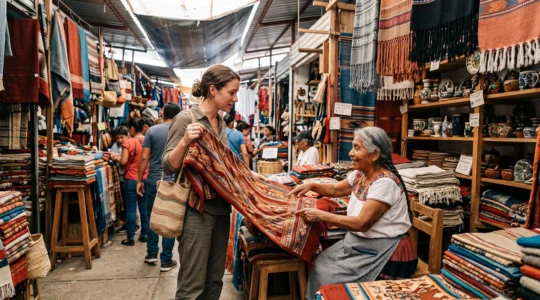
How to Buy Mexican Crafts Ethically Without Getting Sold “Handmade” Factory Goods
Two embroidered blouses hang beside each other in a Mexican market. Their patterns look similar, yet one costs considerably more than the other. Is the expensive one genuinely handmade? Is the cheaper one a bargain, or a factory-produced imitation? And…
Lire la suite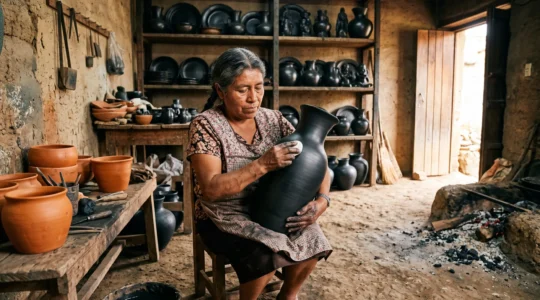
How to Tell Oaxacan Black Pottery From a Factory Copy in Under 2 Minutes
A black ceramic vase catches the light at an Oaxaca market. The seller calls it handmade barro negro, but the next stall displays an almost identical piece. One costs noticeably more. Which deserves a place in your suitcase? The quickest…
Lire la suite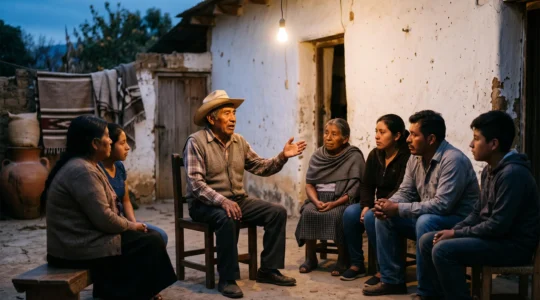
Where Can You Actually Hear Traditional Mexican Storytelling Instead of Just Reading About It ?
In Mexico, traditional storytelling is not confined to books, museums or performances arranged for tourists. It lives wherever people choose to transmit local histories, legends, memories and ritual knowledge through speech: sometimes on a public stage, sometimes in a cultural…
Lire la suite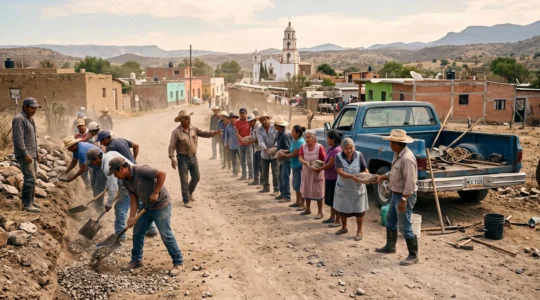
Why Communities in Mexico Still Use Communal Labour Systems and What Travellers Misread
A road closes because neighbours are repairing it together. Shops open late while families prepare for a patron-saint festival. Someone who works in a distant city returns home to fulfil an obligation that appears to have nothing to do with…
Lire la suite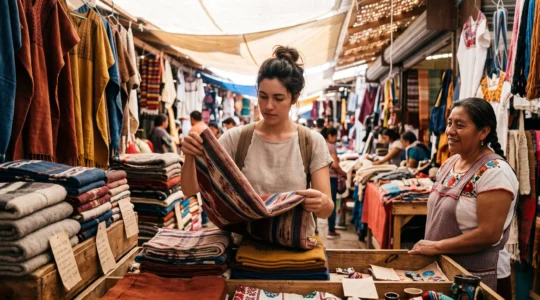
Which Mexican Hand-Woven Textiles Are Practical to Bring Back in a UK Suitcase Without Damage ?
A hand-woven blanket from Oaxaca, an embroidered huipil from Chiapas or a lightweight rebozo can become one of the most meaningful purchases on a Mexico trip. But the qualities that make these textiles appealing in a market—soft fibres, intricate fringes…
Lire la suite