Regions and States of Mexico
Mexico is one of the most geographically and culturally diverse countries in the Americas, and understanding how it is organized is the first step toward planning a trip that actually suits you. The country is made up of 31 states plus Mexico City, which together form its 32 federal entities. Each state has its own capital, government, identity, cuisine, and often its own language heritage. Rather than thinking of Mexico as a single destination, experienced travelers treat it as several worlds packed into one country.
This overview explains how Mexico is divided, what each major region offers, and how to use that knowledge to build an itinerary. Whether you are drawn to beaches, colonial cities, archaeological sites, or mountain villages, knowing the map makes every decision easier.
How Mexico Is Organized: States and Federal Entities
Mexico is officially a federation, meaning its states enjoy a significant degree of autonomy, similar in spirit to the United States or Brazil. Each state elects its own governor and legislature, maintains its own police forces, and manages many local matters such as tourism promotion and cultural policy. Mexico City, the capital, is a federal entity in its own right and functions much like a state.
For travelers, this matters in practical ways: road rules, taxes, security advisories, and even holiday celebrations can differ subtly from one state to another. Distances also matter more than most first-time visitors expect. Driving from Tijuana to Cancún would take well over 40 hours of non-stop driving, which is why most trips focus on one or two regions rather than the whole country.
The Six Great Regions of Mexico
To simplify planning, the 32 states are traditionally grouped into broad regions. These groupings are not official administrative divisions but reflect shared geography, climate, history, and culture.
Northern Mexico
The vast north borders the United States and is defined by dramatic deserts, canyons, and mountains. Key states include Chihuahua, Sonora, Coahuila, Nuevo León, Tamaulipas, Durango, Zacatecas, and Baja California (Norte and Sur).
- Copper Canyon (Barrancas del Cobre) in Chihuahua, a canyon system larger and in places deeper than the Grand Canyon, crossed by the famous Chepe railway.
- The wine country of Baja California, particularly the Valle de Guadalupe, now one of the most respected wine regions in the Americas.
- Monterrey, the industrial and economic powerhouse of Nuevo León, set against dramatic mountain peaks.
- Colonial mining cities such as Zacatecas, with remarkably preserved baroque architecture.
The north is ideal for road trips, outdoor adventures, and travelers who want to see a side of Mexico far removed from the beach stereotypes.
Central Mexico (El Bajío and the Heartland)
This is the historical and cultural core of the country. States such as Jalisco, Guanajuato, Querétaro, Michoacán, Aguascalientes, San Luis Potosí, and Hidalgo hold many of the destinations visitors picture when they imagine Mexico.
- Guadalajara in Jalisco, birthplace of mariachi music and tequila, with nearby towns like Tequila and Tlaquepaque.
- The colonial gems of Guanajuato: San Miguel de Allende, Guanajuato city, and Dolores Hidalgo, key sites of Mexican independence history.
- Morelia in Michoacán, a UNESCO World Heritage city, and the famous monarch butterfly sanctuaries in its highland forests.
The central highlands enjoy one of the most pleasant climates in the country, with warm days and cool nights, making this region a comfortable choice for year-round travel.
Mexico City and the Surrounding States
The capital region includes Mexico City, the State of Mexico, Morelos, Puebla, and Tlaxcala. This compact area holds an extraordinary concentration of attractions.
- Mexico City itself: world-class museums, the historic center, the canals of Xochimilco, and one of the most exciting food scenes on the planet.
- The Teotihuacán pyramids, among the most impressive archaeological sites in the Americas, an easy day trip from the capital.
- Puebla and Cholula, known for their colonial architecture, Talavera ceramics, and legendary mole poblano.
- The snow-capped volcanoes of Popocatépetl and Iztaccíhuatl towering over the region.
Because of its high altitude, around 2,240 meters in the capital, this region has mild temperatures year-round, though visitors should allow a day or two to acclimatize.
Southern Mexico
The south is where Mexico’s indigenous heritage is most visible and celebrated. States include Oaxaca, Chiapas, Guerrero, and Veracruz (the latter often considered part of the Gulf region as well).
- Oaxaca city and its surrounding valleys, celebrated for their cuisine, mezcal, artisan markets, and the impressive Monte Albán ruins.
- Chiapas, home to the stunning colonial town of San Cristóbal de las Casas, the Sumidero Canyon, and the jungle-wrapped temples of Palenque.
- The Pacific coast resorts and bays of Guerrero, including Acapulco and Zihuatanejo.
Southern Mexico is generally the most affordable region, and for many travelers it offers the deepest cultural immersion. Mountain areas can be cool at night despite the tropical latitude, so pack layers.
The Yucatán Peninsula
Comprising Yucatán, Quintana Roo, Campeche, and parts of Tabasco and Chiapas, the peninsula is Mexico’s most visited region thanks to the Riviera Maya, Cancún, and Tulum. But there is far more here than beaches.
- Chichén Itzá and Uxmal, two major Mayan archaeological sites with very different characters.
- Merida, the elegant capital of Yucatán state, widely considered one of the safest and most walkable colonial cities in the country.
- Thousands of cenotes, freshwater sinkholes unique to this limestone peninsula, perfect for swimming and diving.
- The biosphere reserves of Sian Ka’an and Calakmul, for wildlife and remote jungle ruins.
The climate here is hot and humid, with a hurricane season that roughly runs from late spring to autumn. The dry winter months are the most comfortable for visiting.
The Gulf Coast and the Pacific Coast States
Beyond the peninsula, coastal states such as Veracruz, Nayarit, Sinaloa, Colima, and Oaxaca’s coastline offer their own appeal. Veracruz combines Afro-Mexican musical traditions, coffee plantations, and rafting on the Pico de Orizaba slopes. On the Pacific side, destinations like Puerto Vallarta (Jalisco), Mazatlán (Sinaloa), and the surf towns of Nayarit such as Sayulita and San Blas attract travelers seeking beaches with authentic town life nearby.
Choosing a Region: A Practical Framework
With 32 states and limited vacation days, narrowing things down is essential. A simple way to decide is to match a region to your priorities.
- Define your main interest. Beaches point to the Yucatán or Pacific coast; culture and food point to Oaxaca and central Mexico; adventure points to the north or Chiapas.
- Estimate realistic travel times. Pick at most two adjacent states per week, and check whether buses or flights connect your chosen destinations.
- Consider the season. Highlands are pleasant most of the year; coasts are best in the dry season; the desert north is best avoided in the peak of summer heat.
- Check current travel advisories state by state. Conditions vary significantly between states, and reputable sources publish guidance at the state level, not for Mexico as a whole.
Consider a fictional example: Marta has ten days and wants food, history, and some beach time. A sensible route would be Mexico City and Puebla for four days, Oaxaca for four days, then a short flight to the Oaxacan coast for two days in Puerto Escondido. This keeps the trip within two regions and minimizes long overland journeys.
Common Questions About Mexico’s Regions
Is one week enough to see several regions?
Yes, but only if they are close together. Combining Mexico City with Puebla, Oaxaca, or the Yucatán works well thanks to frequent short flights. Trying to include the north and the south in a single week is not realistic.
Do all states speak the same way?
Spanish is universal, but accents, vocabulary, and pace vary noticeably between north and south. In addition, Mexico recognizes dozens of indigenous languages, including Nahuatl, Maya, Zapotec, and Mixtec, spoken by millions of people, especially in the south.
Which region is best for a first visit?
Most first-time travelers are happiest with the central region plus either the Yucatán Peninsula or the Oaxaca area. These offer the classic mix of cities, ruins, food, and coastline with well-developed tourism infrastructure.
Final Thoughts
Mexico’s 32 federal entities are not interchangeable dots on a map; they are genuinely different worlds, each with its own landscapes, flavors, and traditions. Taking the time to understand the regions before booking means fewer long transfers, better seasonal choices, and a trip that matches what you actually love to do. Start with one region that sparks your curiosity, get to know it properly, and let it set the tone for your return visits. Mexico rewards depth far more than speed.
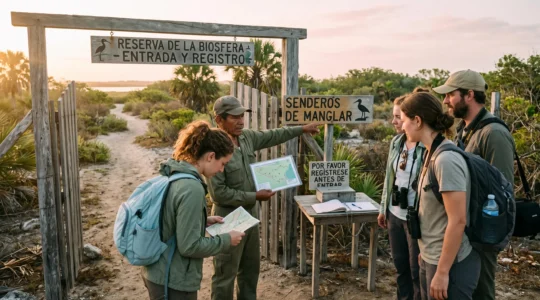
How to Choose a Mexican Protected Reserve That Allows Meaningful Access, Not Just a Fence Line
A protected area on a map does not necessarily mean a nature experience you can actually have. In Mexico, an apparently accessible forest trail might cross community-controlled land, a mangrove lagoon may require an authorised guide, and a beautiful stretch…
Lire la suite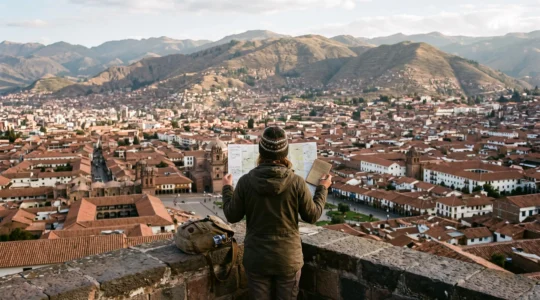
How to Build a Central Highlands Route in Mexico That Doesn’t Feel Like the Same City 4 Times
Mexico’s Central Highlands can produce an extraordinary itinerary or a surprisingly repetitive one. The difference rarely comes down to how many beautiful colonial cities fit into your schedule. It comes down to what each destination contributes, how efficiently you connect…
Lire la suite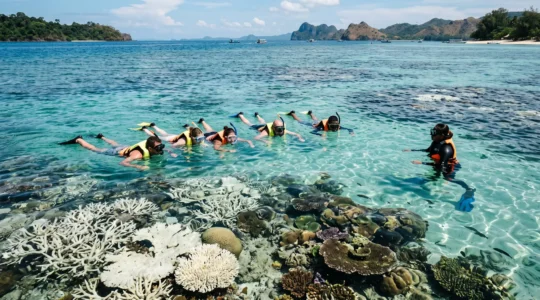
Why the Reef You’re Snorkelling Today Might Not Exist in 10 Years Without Better Tourist Choices
The coral reef beneath your snorkelling mask may look spectacular, yet its appearance reveals surprisingly little about its long-term survival. Across the Caribbean, rising sea temperatures, coral disease, pollution and poorly managed tourism are placing overlapping pressures on ecosystems that…
Lire la suite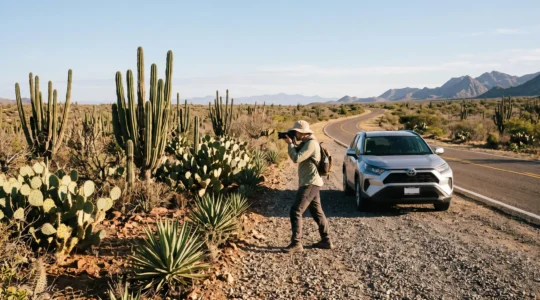
Why Mexican Desert Plants Are More Bizarre and Beautiful Than Anything in a UK Garden Centre
A Mexican desert can look almost empty through a car window. Stop somewhere safe, however, and the landscape becomes an extraordinary collection of living survival machines. Towering cacti store water inside their stems, agaves arrange sharp leaves into architectural rosettes,…
Lire la suite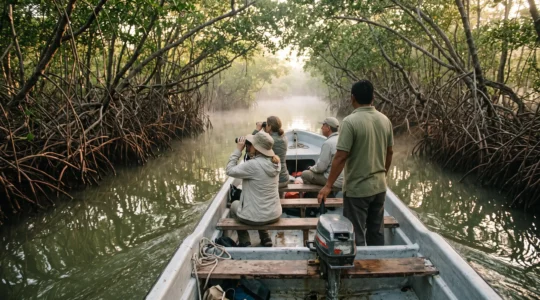
Why Mangrove Tours in Mexico Can Be Magical or Miserable Depending on One Decision
A heron stands motionless between tangled roots. A kingfisher flashes across a narrow channel. Somewhere beyond the vegetation, something moves through the shallow water. Mexico’s mangrove forests can deliver extraordinary wildlife encounters, but enjoying them requires different expectations from visiting…
Lire la suite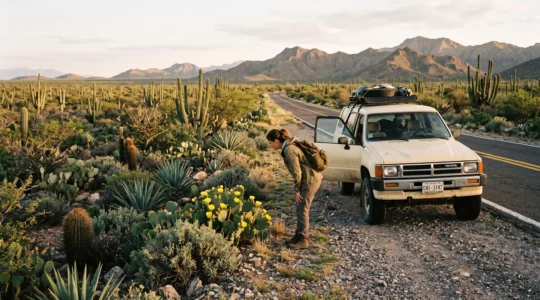
Why Mexico’s Scrublands Are More Alive Than They Look From a Car Window
From a moving car, Mexico’s arid scrublands can appear almost featureless. Low grey-green bushes repeat across the landscape, scattered cacti interrupt the horizon, and bare ground seems to stretch endlessly between them. For travellers accustomed to the woodland, lakes and…
Lire la suite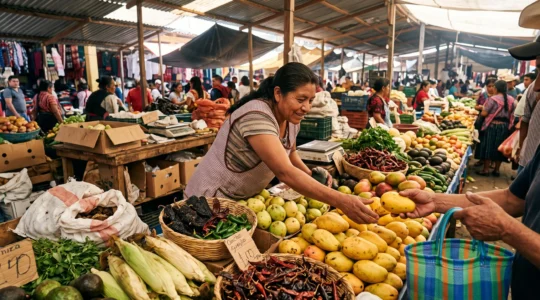
Why Visiting Mexico in Harvest Season Changes Everything You Eat, See, and Experience
A trip to Mexico in January can reveal coffee pickers working through ripe cherries in the highlands. Visit another growing region in May, and the agricultural experience may centre on mangoes or cacao rather than coffee. The destination has not…
Lire la suite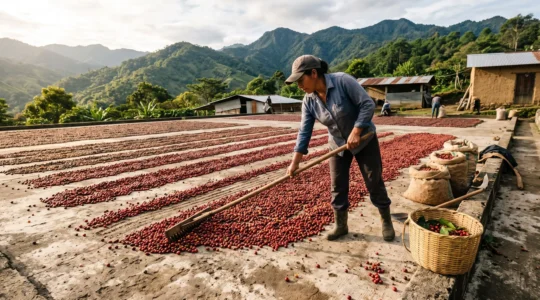
Why the Coffee You Drink in Mexico Might Not Be the Best They Grow, and Where the Good Stuff Goes
Mexico grows coffee and cacao with remarkable flavour potential, yet the cup served at a hotel breakfast may tell you surprisingly little about what nearby farms produce. Some growers supply international speciality markets, where carefully selected and traceable lots can…
Lire la suite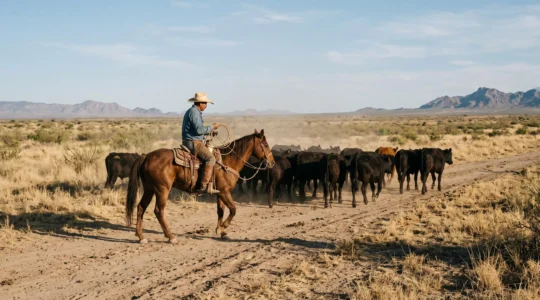
Why Northern Mexico Feels Like a Different Country, and What Cattle Ranching Has to Do With It
Travel north through Mexico and the landscape begins to explain things that a guidebook photograph cannot. Distances widen. Dry grassland replaces humid valleys. Restaurants serve enormous plates of grilled beef with flour tortillas, and a battered pickup outside a café…
Lire la suite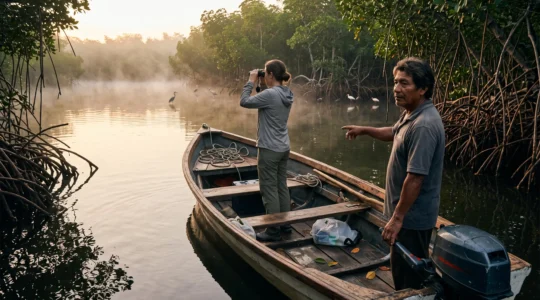
Which Mexican Ecosystem Should You Visit First if You Only Have 3 Nature Days ?
Three days in Mexico’s natural landscapes can deliver memorable birdwatching, tropical forest walks and encounters with wildlife found in very different habitats. But choosing the most biodiverse reserve on a map is not necessarily the best way to spend such…
Lire la suite