Destinations in Mexico
Mexico is one of those rare countries where a single trip can include Caribbean beaches, mountain villages, thriving metropolises and cities built a thousand years before Columbus set sail. The challenge is not finding things to see — it is deciding where to start. This overview of the main destinations in Mexico will help you understand what each region offers, so you can match your itinerary to your interests, budget and travel pace.
Whether you are planning a first visit or returning to explore beyond the classics, thinking in terms of regions rather than a long checklist of cities will make your planning far easier. Here is how the country is organized, from a traveler’s point of view.
The Yucatán Peninsula: Beaches, Ruins and Cenotes
The Yucatán Peninsula, in the southeast, is Mexico’s most visited region, and for good reason. It combines the turquoise waters of the Caribbean coast with some of the country’s most impressive archaeological sites, all within relatively short driving distances.
Cancún and the Riviera Maya
Cancún is often a traveler’s first contact with Mexico. The hotel zone is built around all-inclusive resorts, which suits visitors who want a predictable, comfortable stay. South of Cancún, the Riviera Maya stretches through Playa del Carmen to Tulum, offering a gradually more laid-back atmosphere. Tulum in particular has become known for its beachfront boutique hotels and its clifftop ruins overlooking the sea.
- Best for: beach holidays, resorts, first-time visitors, easy logistics.
- Airport access: Cancún International, one of the busiest in Latin America.
- Watch out for: seaweed (sargassum) on Caribbean beaches at certain times of year.
Mérida and the Colonial Interior
Inland, Mérida is considered one of Mexico’s safest and most culturally rich cities. Founded on Maya ruins and shaped by Spanish colonial architecture, it serves as a base for day trips to Chichén Itzá, Uxmal and dozens of cenotes — natural freshwater sinkholes unique to this limestone region. Swimming in a cenote is often cited by travelers as the highlight of their trip.
Think of Mérida as the calm counterweight to the coast: same region, completely different rhythm.
Central Mexico: Colonial Cities and High Plateaus
Central Mexico is the country’s cultural heartland. Here you will find cities famous for their architecture, gastronomy and artistic heritage, generally at altitudes between 1,500 and 2,200 meters, which means mild days and cool nights.
Mexico City
The capital is one of the largest metropolitan areas in the world, and it rewards travelers who give it enough time. Museums such as the National Museum of Anthropology, the historic center built on Aztec foundations, the canals of Xochimilco and neighborhoods like Coyoacán and Roma could easily fill a week on their own. It is also the country’s gastronomic capital, from street tacos to world-class restaurants.
Oaxaca
Oaxaca City is arguably Mexico’s most atmospheric destination. Its UNESCO-listed historic center, vibrant markets, indigenous cultures and nearby archaeological site of Monte Albán attract travelers interested in tradition and craft. The surrounding state is also the birthplace of mezcal and one of the most celebrated culinary regions in the country.
Guanajuato, San Miguel de Allende and Morelia
North of the capital, a cluster of colonial cities offers beautifully preserved historic centers. Guanajuato is famous for its colorful alleys and underground streets; San Miguel de Allende is known for its expat community, art scene and pastel facades; Morelia, often overlooked, has one of the most harmonious historic centers in the country.
- Best for: culture, food, architecture, photography, walking cities.
- Best season: the dry months bring comfortable daytime temperatures.
- Practical note: pack layers — evenings can be surprisingly cool at altitude.
The Pacific Coast: Surf Towns and Bays
Mexico’s Pacific side has a different character from the Caribbean: stronger waves, golden rather than white sand, and spectacular sunsets over the water.
Puerto Vallarta and the Banderas Bay
Puerto Vallarta combines a charming old town with a modern resort infrastructure. It is a good all-round choice for travelers who want both authenticity and comfort, with the Sierra Madre mountains as a backdrop.
Oaxaca’s Coast: Puerto Escondido and Huatulco
For a more relaxed and budget-friendly experience, the Oaxacan coast is hard to beat. Puerto Escondido attracts surfers from around the world, while Huatulco’s nine bays appeal to travelers looking for quieter beaches. Combine a stay here with time in Oaxaca City for a well-rounded trip.
Los Cabos and Baja California
At the southern tip of the Baja peninsula, Los Cabos is known for dramatic desert-meets-ocean landscapes, whale watching in season and sport fishing. Further north, the wine region of Valle de Guadalupe has quietly become one of North America’s most interesting food and wine destinations.
The South: Jungle, Mountains and Living Cultures
Chiapas, in the far south, offers a version of Mexico that many visitors never see. San Cristóbal de las Casas, a cool highland town surrounded by indigenous villages, is the region’s hub. Nearby, the Agua Azul waterfalls and the Sumidero Canyon showcase dramatic natural scenery, while the ruins of Palenque, set in dense rainforest, rank among the most evocative archaeological sites in Mesoamerica.
This region requires a little more planning and flexibility, but travelers who make the effort often describe it as the most memorable part of their journey.
Northern Mexico: Canyons and Deserts
Northern Mexico remains less visited but holds some remarkable sights. The Copper Canyon (Barrancas del Cobre) system is larger and in places deeper than the Grand Canyon, and the famous El Chepe railway crosses it in one of the world’s most scenic train journeys. The colonial city of Zacatecas and the wine-and-cactus landscapes of Coahuila round out a region suited to travelers looking for wide-open spaces.
How to Choose Your Destination in Mexico
With so much variety, the smartest approach is to choose one or two regions and go deep rather than trying to see everything. Ask yourself a few simple questions:
- What is your priority? Beaches point to the Yucatán or the Pacific; culture and food point to central Mexico; nature and adventure point to Chiapas or the north.
- How much time do you have? Under a week, stay within one region. Two to three weeks allow you to combine, for example, Mexico City and Oaxaca, or the Riviera Maya and Mérida.
- What is your comfort level? Resort areas offer maximum convenience; cities like Oaxaca or Mérida offer a middle ground; rural Chiapas rewards the most independent travelers.
A useful analogy: choosing destinations in Mexico is a bit like choosing dishes in an Oaxacan market. Everything looks good, but the best meal comes from picking a few things done well rather than ordering the entire stall.
Practical Tips for Visiting Mexico
A few general principles apply across the country and will make any itinerary smoother:
- Best time to travel: the dry season, roughly from November to April, offers the most reliable weather nearly everywhere.
- Getting around: domestic flights connect major cities affordably; first-class buses are comfortable and reach towns trains do not.
- Safety: the main tourist regions are generally well-visited and welcoming; check current official travel advice for specific states before finalizing routes.
- Altitude: central cities sit high; take it easy on your first day and drink plenty of water.
- Currency and language: the peso is used everywhere and Spanish is the national language, though English is widely understood in tourist zones.
Frequently Asked Questions
What is the best destination in Mexico for a first trip?
For most first-time visitors, the Yucatán Peninsula is the easiest entry point thanks to direct flights, well-developed infrastructure and the combination of beaches, ruins and cenotes. Travelers more interested in cities and food often prefer starting with Mexico City and Oaxaca.
Can you combine beach and culture in one trip?
Absolutely. The Yucatán makes it simple: Tulum or the Riviera Maya for the coast, Mérida for colonial culture and Chichén Itzá for archaeology. On the Pacific side, Oaxaca City pairs naturally with the beaches of Puerto Escondido.
How many destinations should I include in two weeks?
Two or three bases is a comfortable maximum. Mexico is larger than it looks on a map, and overland travel takes longer than distances suggest. Fewer stops with more time in each almost always produces a better trip.
Mexico rewards curiosity at every level of experience. Start with the destination that matches your travel style, leave room for the unexpected, and you will quickly understand why so many visitors begin planning their return trip before the first one ends.
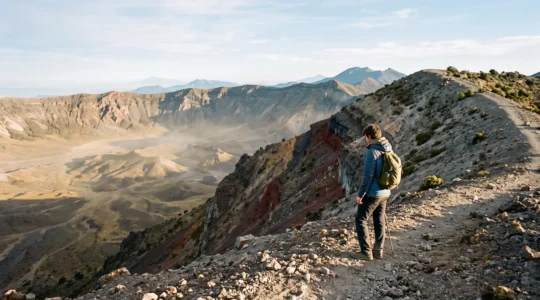
Which Mexican Volcanic Craters Are Realistic if You’re Not an Experienced Hiker ?
Mexico’s volcanic landscapes can be accessible to ordinary walkers, but reaching a crater viewpoint is not necessarily comparable to climbing a familiar hill in Britain. High altitude, loose volcanic terrain, unpredictable mountain conditions and difficult road access can turn an…
Lire la suite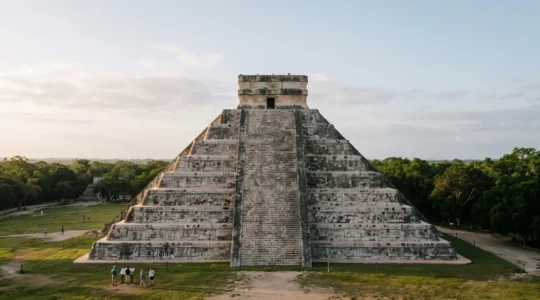
What You’re Actually Looking At When You Visit a Limestone Pyramid in the Yucatán
A limestone pyramid in Mexico’s Yucatán Peninsula is more than an impressive staircase rising above the jungle. It belongs to a built environment shaped by geology, Maya political and religious life, architectural traditions, and centuries of change. The building visible…
Lire la suite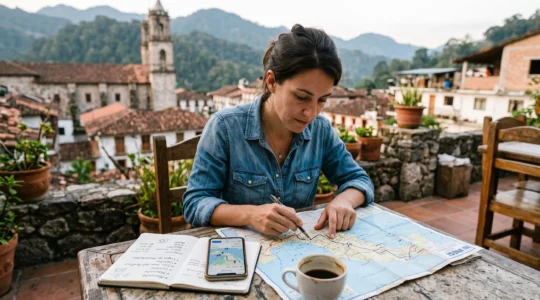
How to Choose a Mexico Destination When You Have 10 Days and Hate Overplanning ?
Mexico can feel surprisingly difficult to choose. Cancún promises turquoise water, Oaxaca offers food and cultural depth, Mexico City could fill an entire holiday, and the colonial highlands introduce another tempting collection of towns. With only ten days available, trying…
Lire la suite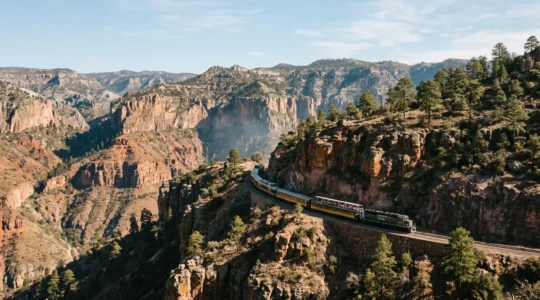
Where Can You Realistically Use Trains in Mexico Without Building Your Whole Trip Around a Myth ?
Mexico has passenger trains, but travelling around the country by rail requires a different approach from planning a European railway holiday. There is no comprehensive intercity passenger network linking the country’s principal tourist destinations. Instead, a small number of specific…
Lire la suite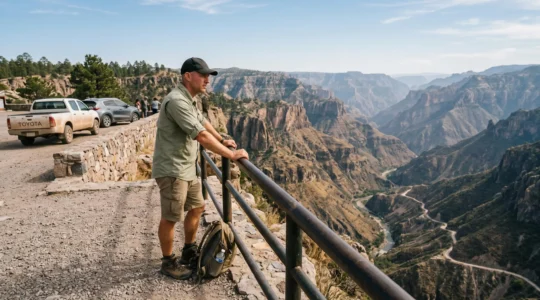
Which Mexican Canyon Viewpoints Are Worth It if You Get Motion Sickness Easily ?
Mexico’s northern canyons offer extraordinary scenery, but reaching the most dramatic viewpoint is not necessarily the best experience for someone prone to travel sickness. A long descent through hairpin bends, an uncomfortable minibus transfer or an overambitious itinerary can turn…
Lire la suite